Pressure injury prevention in pediatric surgery is not simply an adult protocol applied to a smaller patient. Neonates, infants, children, and adolescents differ in skin maturity, body proportions, tissue tolerance, perfusion, oxygenation, and dependence on medical devices.
Risk can begin before the procedure starts and continue through transport, pre-procedure waiting, positioning, surgery, and recovery. Much of the early pediatric perioperative pressure injury literature examined children with congenital heart disease and those undergoing cardiac surgery. This is a population with well-recognized risks related to impaired perfusion and oxygenation, prolonged procedures, immobility, and medical device exposure. Those patients remain high risk, but perioperative teams should assess pressure injury risk in every pediatric surgical patient.
Match the Assessment to the Child and Procedure
Pediatric pressure injury risk assessment should account for the child’s age, condition, and care setting. Braden QD is the most extensively evaluated pediatric risk assessment instrument, but it was validated primarily in hospitalized patients with prolonged immobility and medical device exposure rather than as a stand-alone tool for an isolated surgical procedure. Adult perioperative risk tools should not be applied to children without pediatric validation. A 2025 systematic review and network meta-analysis provides additional evidence on the comparative performance of pediatric pressure injury risk tools.
In the OR, risk assessment should include both patient and procedure factors. Consider skin maturity, perfusion and oxygenation, medical devices, positioning, pressure points, anticipated procedure duration, and whether repositioning will be possible. The assessment should guide the prevention plan rather than become another task completed before positioning.
Start With the Skin You Have
Perform and document a baseline skin and tissue assessment before final positioning. Pay particular attention to the occiput and scalp, ears, shoulders, sacrum, heels, skin folds, and areas under or adjacent to medical devices. Neonates and young children have proportionally larger heads, making the occiput especially vulnerable to sustained loading.
Do not rely on visible redness alone. Compare symmetrical areas and assess changes from the child’s baseline skin tone. Temperature differences, edema, firmness, induration, tenderness, or pain may identify developing tissue injury when erythema is difficult to see. Reassess accessible areas after final positioning, when repositioning is clinically safe, at procedure completion, and during transition of care.

Right-Size the Positioning Plan
Support surfaces and positioning devices should match the child’s size, anatomy, surgical position, and procedure. Maintain physiologic alignment without compromising ventilation, circulation, surgical access, or device function.
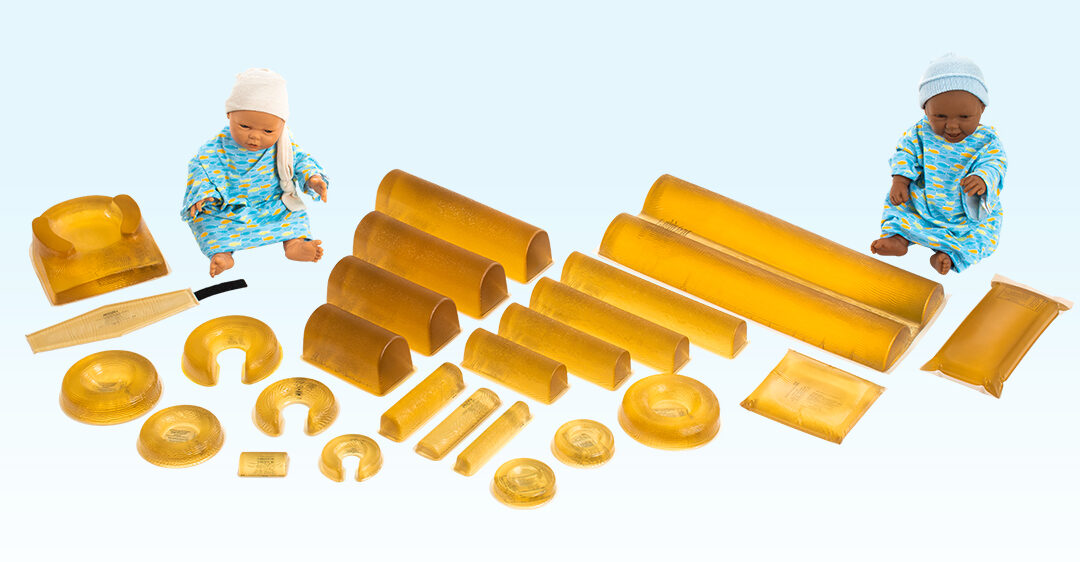
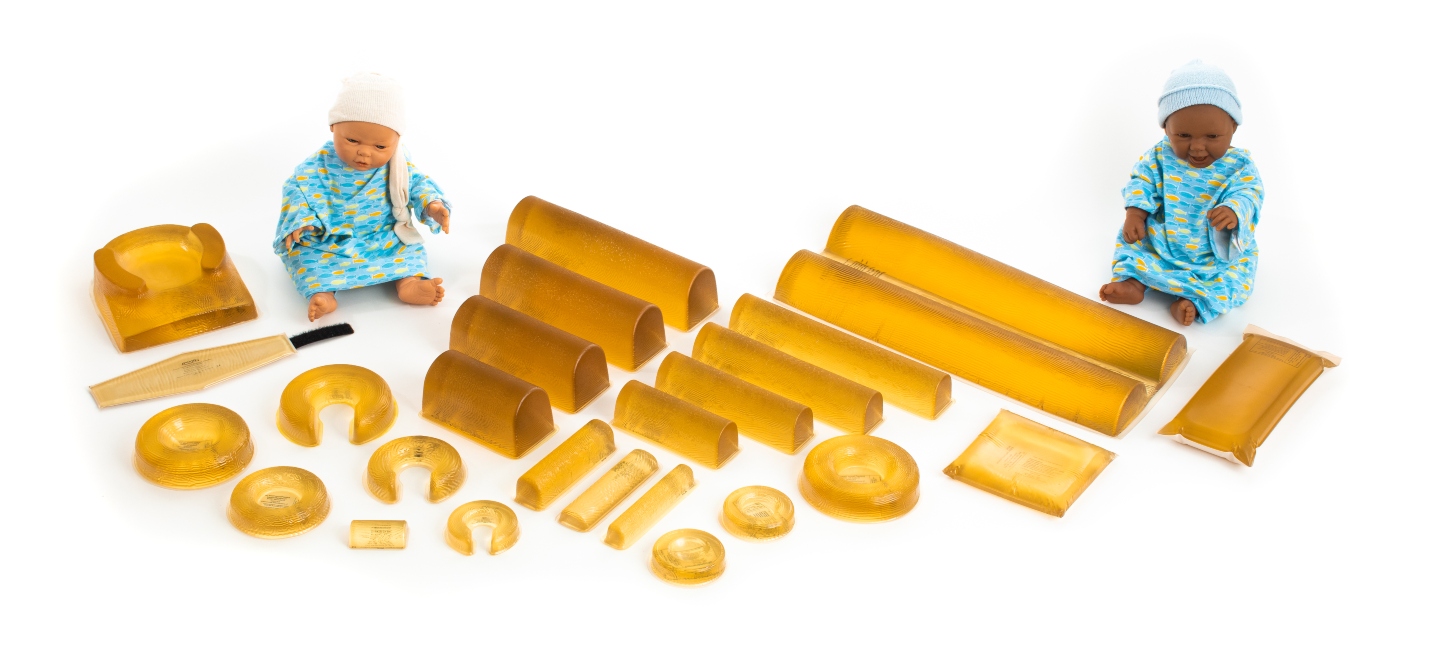
Start with the surface supporting the patient. Appropriately sized Action® overlays and pediatric positioning products can be incorporated into the positioning plan based on the child’s anatomy and surgical position. Action® pediatric and neonatal positioners include pediatric chest rolls, head pads, and purpose-designed positioners for smaller patients. Using appropriately sized, purpose-designed equipment also avoids relying on folded blankets, towels, or other improvised supports that may create uneven height or focal loading.
Pay particular attention to the occiput in neonates and young children because their proportionally larger heads can increase loading in this area. Pediatric and neonatal head pads should be selected to fit the child and required surgical position. Pediatric chest rolls and positioners can likewise be selected according to patient size and positioning needs rather than adapting adult-sized equipment to a smaller body.
No support surface or positioning device eliminates the need for assessment. Keep pressure points away from table edges, attachments, hard equipment, and tubing; minimize wrinkles and unnecessary layers; and reassess accessible pressure points throughout the procedure. When clinically safe, small micro shifts, head repositioning, or offloading the heels or occiput can reduce sustained loading.
Treat Medical Devices as Part of the Positioning Plan
Medical devices are a major source of pressure injury in pediatric patients. Airway devices, pulse oximeters, ECG leads, temperature probes, vascular access devices, catheters, splints, tubing, warming interfaces, and their securements can all create pressure, shear, and moisture at the skin interface.
Select the correct device size, apply and secure it appropriately, assess the skin under and around the device whenever feasible, support tubing to reduce pull or focal pressure, and reposition or remove devices when clinically appropriate. Preventive dressings may be considered when they do not interfere with device fit or function and are consistent with facility policy and manufacturer instructions.
Carry the Risk Through Handoff
Pressure injury prevention does not end with skin closure. Communicate baseline and final skin findings, surgical position and duration, high-risk pressure points, medical devices, support surfaces and positioners used, repositioning performed, and any area requiring postoperative surveillance. Tissue response may continue to evolve after pressure exposure, making an accurate handoff part of the prevention plan.
Six Actions to Bring Into the OR
- Identify patient, procedure, and device-specific risk before positioning.
- Document baseline skin and tissue findings, including the occiput and device interfaces.
- Right-size support surfaces, positioners, and medical devices.
- Eliminate wrinkles, unnecessary layers, focal pressure, and unsupported tubing.
- Reposition or offload pressure points and devices when clinically safe.
- Reassess at procedure completion and communicate ongoing risk during handoff.
Pediatric pressure injury prevention works best when the team matches the assessment, equipment, positioning plan, and surveillance to the child’s anatomy, physiology, procedure, and device burden.
Smaller surgical patients, specialized gel positioners.
Over 80% of the top U.S. pediatric hospitals use Action® products to protect their patients.
A few of our most popular pediatric positioning products include:
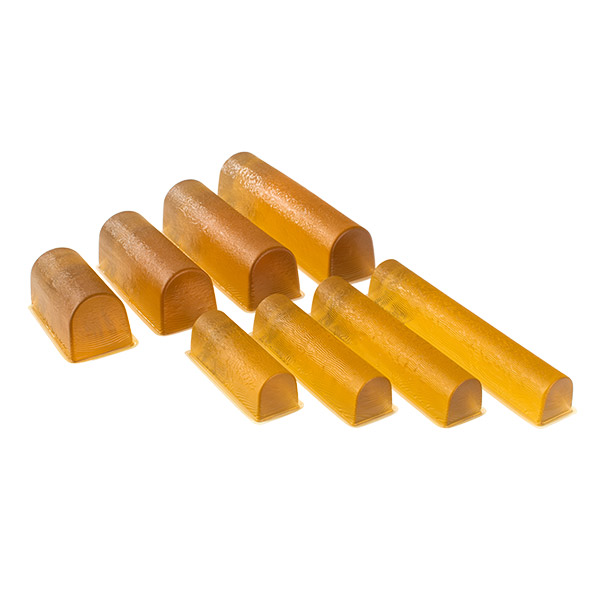
Action® Pediatric
Chest Rolls
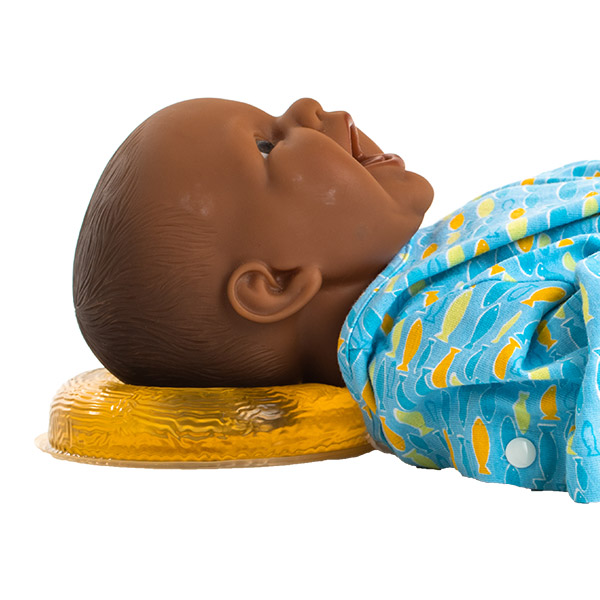
Action® Pediatric
Donut Head Pad

Action® Bassinet Pad
B9017-001