
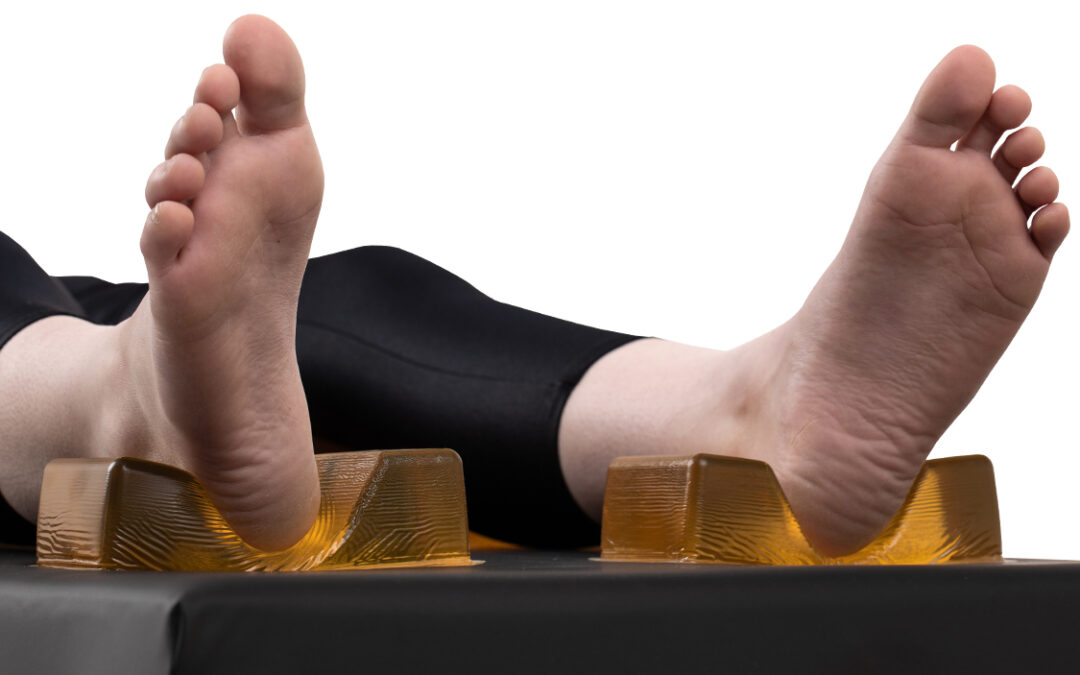
Mitigate the risk of a heel pressure injury
The supine position is the most common surgical position with the patient lying on their back with the head, neck and spine in a neutral position. This position is not without pressure injury risk as there is increased pressure and shear forces to the scapula, occiput, elbows, sacrum, coccyx, and heels. Today we are going to look at ways to mitigate the risk for pressure injuries (PI) to the heel, related to the supine position. When a patient lies supine, all the pressure of their lower legs and feet rest on the heel.
Heel pressure injuries represent approximately one third of pressure injuries acquired, and can result in increased morbidity and mortality. In some cases, a heel pressure injury can lead to amputation of the affected limb.
Pressure injuries have been linked to an increase in skin temperature
Heel pressure injuries have been linked to an increase in heel skin temperature as noted in a study done by Wong, Stotts, Hopf, Dowling and Froelicher (2011).
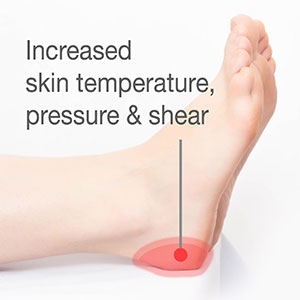
The heel temperature was shown to increase after the patients’ heels were placed on the bed surface for 15 minutes, and this increase in temperature continued after the patients’ heels were removed from the bed surface. This shows us that even after the patient was transferred out of the operating room, their heels continued to increase in temperature which causes tissue damage.
It is also caused by pressure and shear as King and Bridges show us in their experimental study to determine the peak skin interface pressures on supportive surfaces alone. Fortunately, there is an evidence-based intervention that can help to eliminate PI risk to your supine patients.
Heel support through offloading
Offloading the patient’s heels by suspending the heels above the OR table surface increases tissue perfusion and helps prevent a heel pressure injury.
Research done by Battersby and McGuiness (2011), supports the use of polymer protective heel support which protects the heel from pressure injuries. In the past we have simply “padded” the patients heels with egg crate padding; research has shown that that may not be enough and could actually cause harm due to the edges causing areas of high pressure and the “bottoming out” effect renders the intervention useless. Another intervention may be to place a silicone prophylactic dressing on the heel to mitigate shear forces.
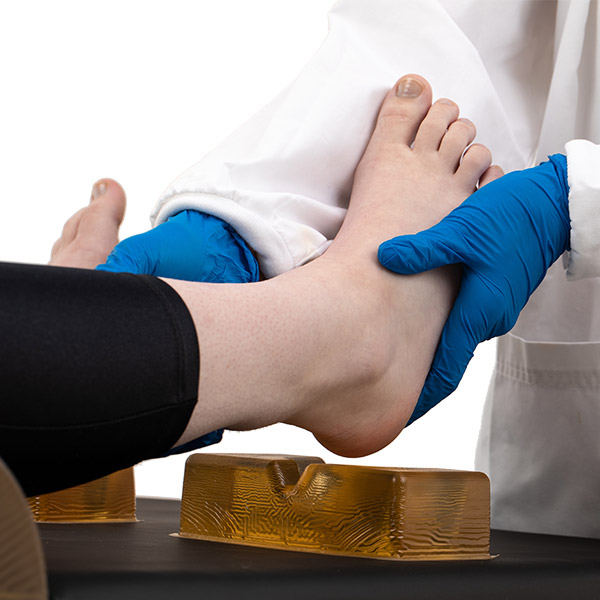
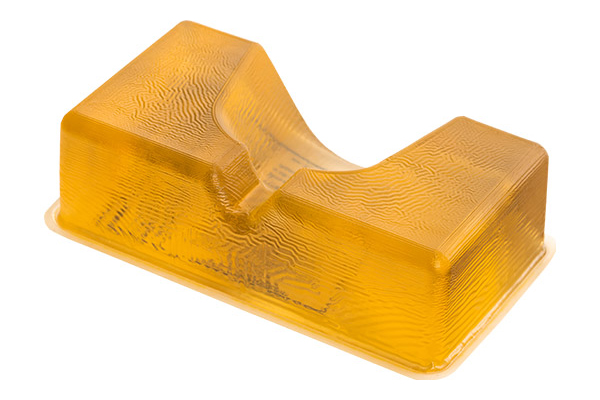
Action® Heel Support
Protecting the heels
While protecting the heel using a gel heel device, awareness of the extra pressure on the sacrum, and increase risk for popliteal nerve and vessel injury related to the position must also be addressed. AORN supports the use of silicone prophylactic dressing on the sacrum to reduce shear forces and pressure. AORN also recommends positioning the knees slightly flexed to decrease the incidence of popliteal vessel compression. This can be accomplished by using a dome device crosswise across the table beneath the knees.


Action® Dome Positioner
Advocate for an evidence-based practice change in your OR today, improve patient outcomes and decrease heel pressure injury risk. Keep those heels elevated and off the operating room table surface!
Resources
Armstrong M, Moore RA. Anatomy, Patient Positioning. [Updated 2020 Jul 10]. In: StatPearls [Internet]. Treasure Island (FL): StatPearls Publishing; 2020 Jan-. Available from: https://www.ncbi.nlm.nih.gov/books/NBK513320/
King CA, Bridges E. Comparison of pressure relief properties of operating room surfaces. Perioper Nurs Clin. 2006;1(3):261–265. [IIB]
Wong VK, Stotts NA, Hopf HW, Dowling GA, Froelicher ES. Changes in heel skin temperature under pressure in hip surgery patients. Adv Skin Wound Care. 2011;24(12):562–570. [IIC]
B9023-001