
Patients undergoing surgery, even minimally invasive surgeries, are at increased risk for injury caused by compression or stretching during surgical positioning. An important step to protect patients is right sizing the positioning device based on the patient.
“While incidence of positioning injury has been identified in up to one-third of prospective populations, its true prevalence after surgery is likely 2%-5%. The mechanism is thought to be intraneural disruption from stretching or pressure, which results in decreased perfusion. On a larger scale, this vascular compromise can lead to ischemia and rhabdomyolysis. Prevention hinges on addressing patient modifiable factors such as body mass index, judicious positioning with appropriate devices, and intraoperative team awareness consisting of recurrent extremity checks and time management.”
Planning the positioning strategy
Patient positioning can be difficult as there are several things to think about as you plan the patient positioning strategy. Perioperative team members determine the equipment and devices to be used based on the planned procedure, surgeon’s preference and risk factors identified during the pre-operative patient assessment (AORN-Guideline for Positioning the Patient).
A few things to keep in mind while choosing the right positioning device for the patient:
- The device allows for optimal surgical prep and exposure
- Anesthesia has full access to airway and peripheral lines
- The device accommodates the patient’s physical needs
- Ensure the positioning device is the appropriate size for your patient
Action® Ulnar Nerve Protectors
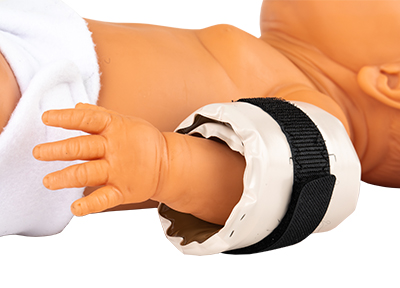
Pediatric Ulnar Nerve Protector
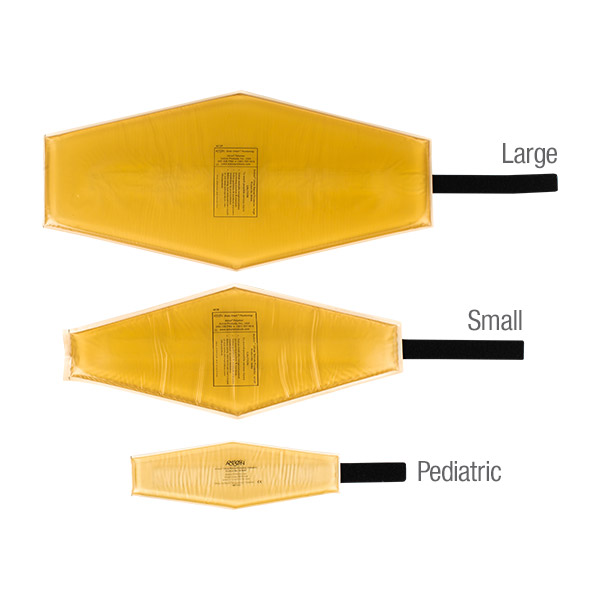
Action® Donut Head Pads
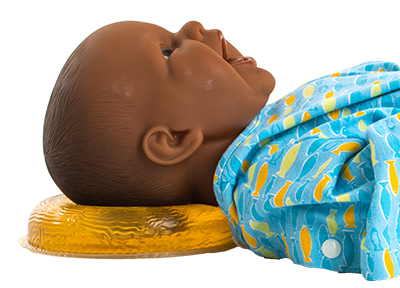
Pediatric Donut Head Pad
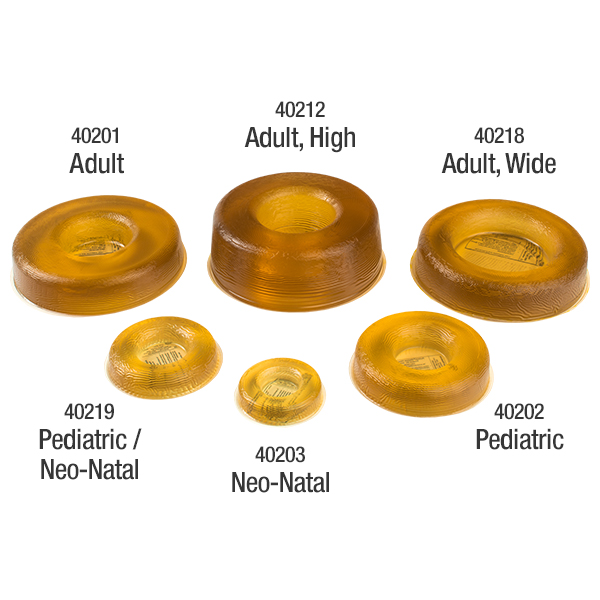
Preoperative planning will help ensure the right device is chosen for the patient’s height and weight. In addition, any physical disabilities should be thought of when choosing the device. While most positioning devices are used as “one device fits all,” individual patients may have different needs.
Accommodating an individual’s unique needs
Accommodating an individual’s unique needs is necessary to reduce injury to patients and staff. Knowing the weight limits on OR tables and devices can help the perioperative nurse plan accordingly. There have been some incidents where the patient was so heavy that they tipped the table while being positioned, causing patient injury. There are reported incidences of patient’s legs that are too heavy for the stirrups causing the leg to drift which Is not found until after undraping the patient. On the other hand, we also see injuries when the patient’s legs are abducted greater than 45 degrees for over 2 hours.
There are also times when you must accommodate for a patient’s physical limitations. Previous injuries that caused limb contractures or amputations bring creativity into safe patient positioning. Gel positioners and pads are an excellent choice for supportive positioning devices. They ensure that limbs are supported, and the correct anatomical position is maintained.
The right device for the right patient decreases the risk
Patients that are anesthetized cannot tell the perioperative team when something does not feel right, such as numbness and tingling or pain. Therefore, it is imperative that the perioperative team work together, plan for, and use the appropriate patient positioning device. By ensuring you have the right device for the right patient you decrease the risk for an intraoperative positioning injury.
Action® Large Size Headrests
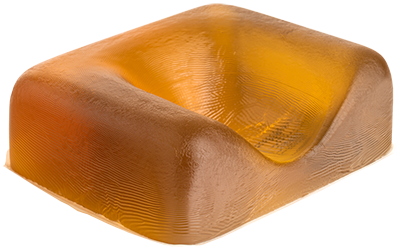
40209
Large Ophthalmic Headrests
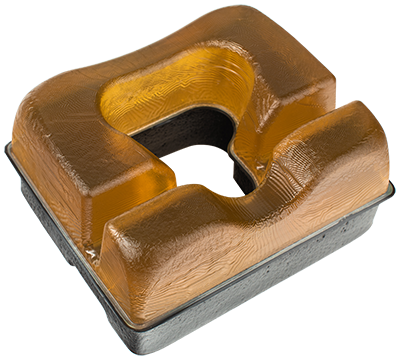
40216L
Large Prone Headrest
Action Products sells a range of Overlays, pads and positioners for a wide range of patients. From pediatrics to larger patients, Action Products has your patient positioning needs covered.
How our proprietary Akton® polymer reduces the risk of pressure injuries
The ultrasoft polymer combined with the soft, flexible surface of our pads allows the product to move with the patient, reducing negative effects of shear on fragile skin. In addition, the Akton® polymer distributes weight and dissipates heat; reducing the risk of high-pressure points and hot spot development that can lead to pressure injuries. These combined benefits enhance patient protection.
Action® Large Size Headrests
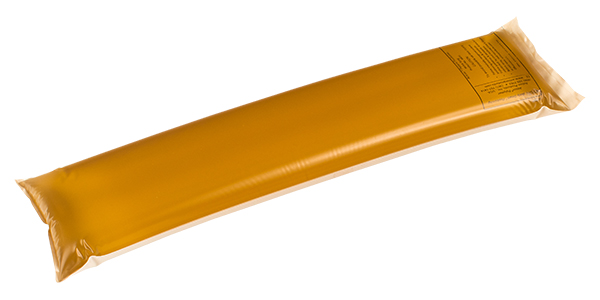
40615
Extra Long Patient Positioner
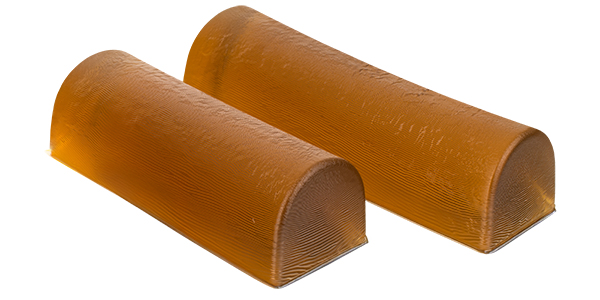
Left: Adult Chest Roll, 40620
Right: Adult Large Chest Roll, 40621
Popular Action® Large-Size Positioning Products
- Long Positioning Strap – 40713L
- Large Ankle Strap Stirrup Pad Set – 40511
- Large Prone Headrest – 40216L
- Large Ophthalmic Headrests – 40209
- Large Ulnar Nerve Protector – 40304L
- Wide Short Armboard Pads – 40309
- Wide Long Armboard Pads – 40308
- Extra Long Patient Positioner – 40615
- Large Chest Roll – 40620, 40621
- Toboggan Pad and Shield Set – 40130, 40130S
Action® Pediatric Positioning Products
Over 80% of the top U.S. pediatric hospitals use Action® products to protect their patients.
Resources
Patient positioning during minimally invasive surgery: what is current best practice?
Jacqueline M Zillioux 1, Tracey L Krupski 1
On the Tipping Point of Disaster: Operating Room Surgical Table Tips With Obese Patients
by Shervin Razavian, MD; John Thurn, MD
Positioning and Nerve Injury, Michael S. Baggish
B9043-002