

HOSPITAL PRODUCTS
Take action to prevent Hospital Acquired Pressure Injuries
Each year in the US Pressure Injuries:
- Affect 2.5 million patients1
- Cause about 60,000 deaths
- Cost healthcare facilities $9.1-$11.6 billion2
HOME MEDICAL
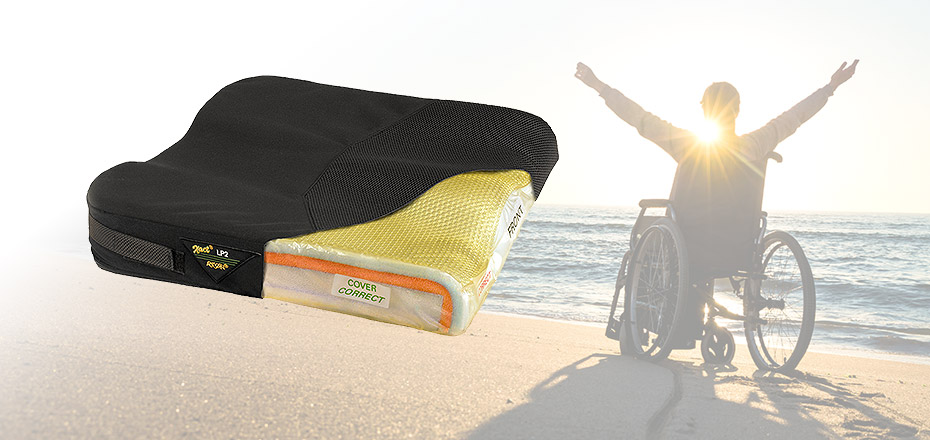
50 years of helping to reduce pressure injuries
Pressure injuries can:
- Significantly reduce comfort and quality of life
- Cause rehospitalization3
- Be a contributory factor in the deaths of more than 7% of those with SCI44
OUR MATERIAL
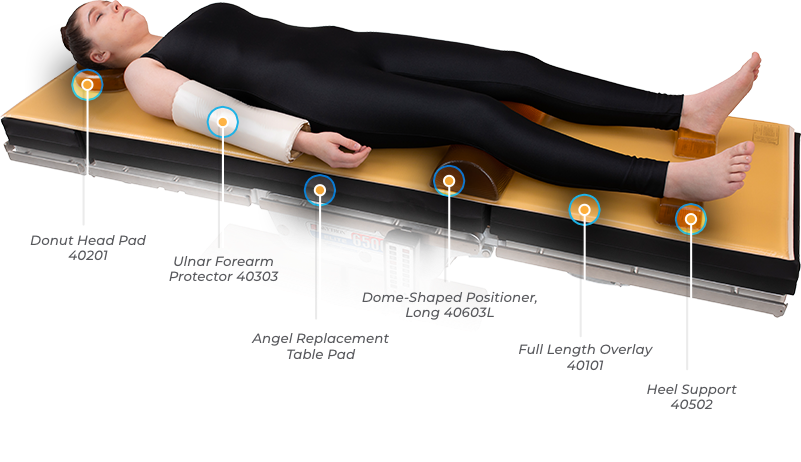
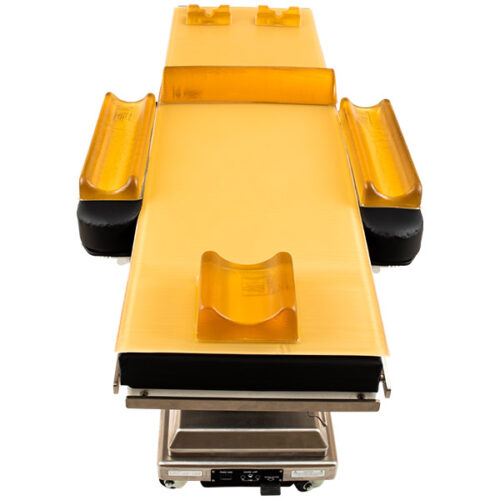
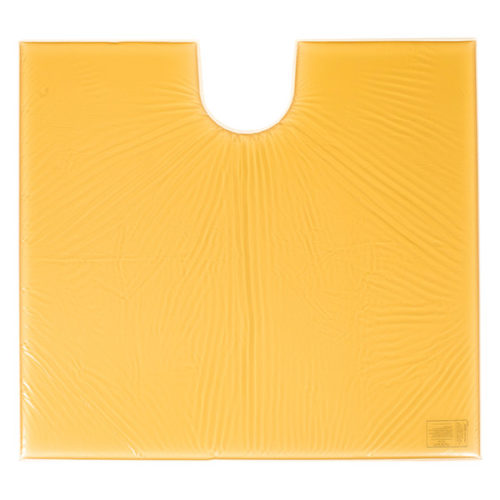
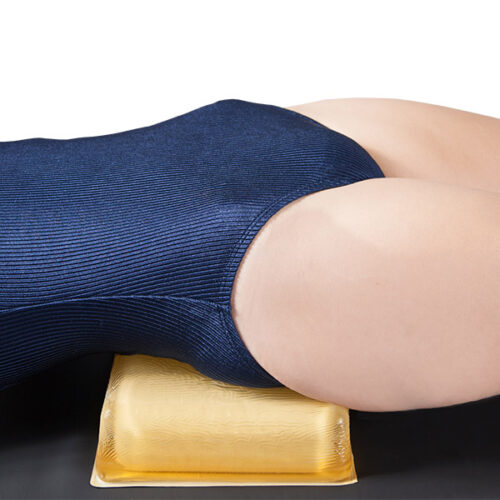
Our unique Akton® polymer is effective in helping to reduce pressure injuries and it is reusable which means it helps economically and clinically. In a recent survey, two-thirds of physicians felt the amount of surgical waste generated was excessive and increasing5. Our reusable patient positioners can help to reduce that waste.
AKTON polymer is a dry, viscoelastic polymer. Its proprietary formulation is exclusive to Action Products and is the hallmark material of our Action® brand products. Our unique polymer is an ultra-soft, solid rubber that has a tissue equivalent feel. It will not leak, flow, or bottom out if punctured.
FEATURED PRODUCTS

STAY INFORMED
Please fill out the form below to be added to our Educational email list.
Please check the Hospital Products box if you are a healthcare professional interested in learning more about PIP in the Operating Room or healthcare facility.
Please check the Home Medical box if you are a care giver or person that uses a wheelchair and are interested in learning more about reducing pressure injuries in the population with disabilities.
"*" indicates required fields
EDUCATIONAL BLOGS
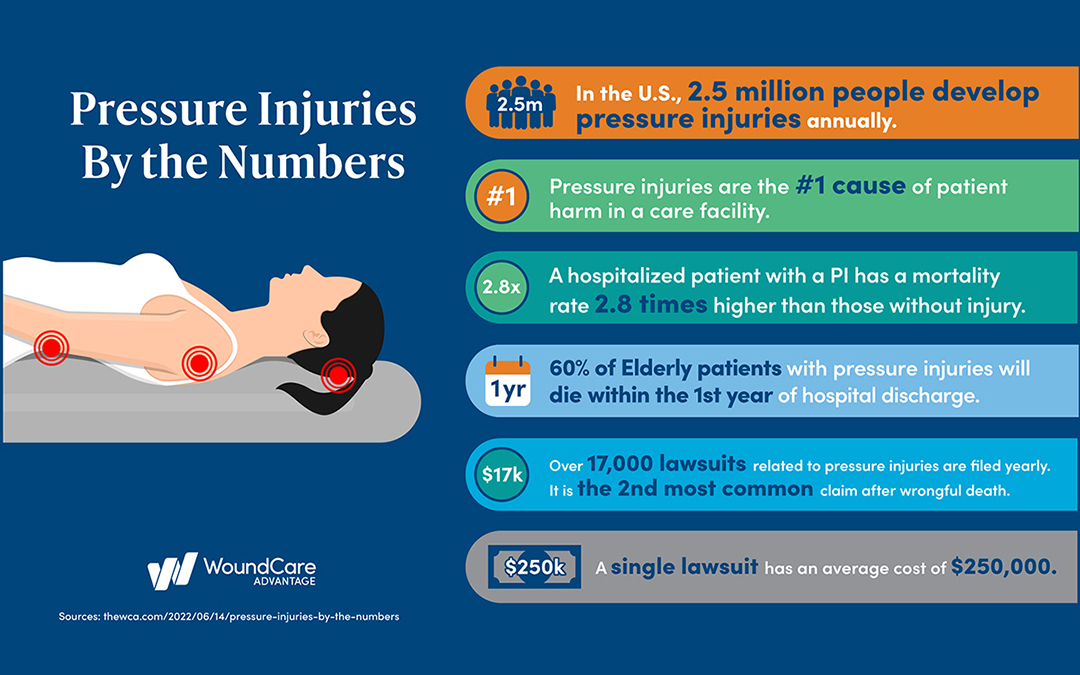
Protect Patients and Resources from the High Cost of Hospital-Acquired Pressure Injuries
Image Source: https://www.thewca.com/blog/pressure-injuries-by-the-numbers Pressure injuries increase morbidity and mortality rates and about 60,0000 patient deaths per year are a direct result of pressure injuries. The costs for U.S. hospital-acquired pressure...
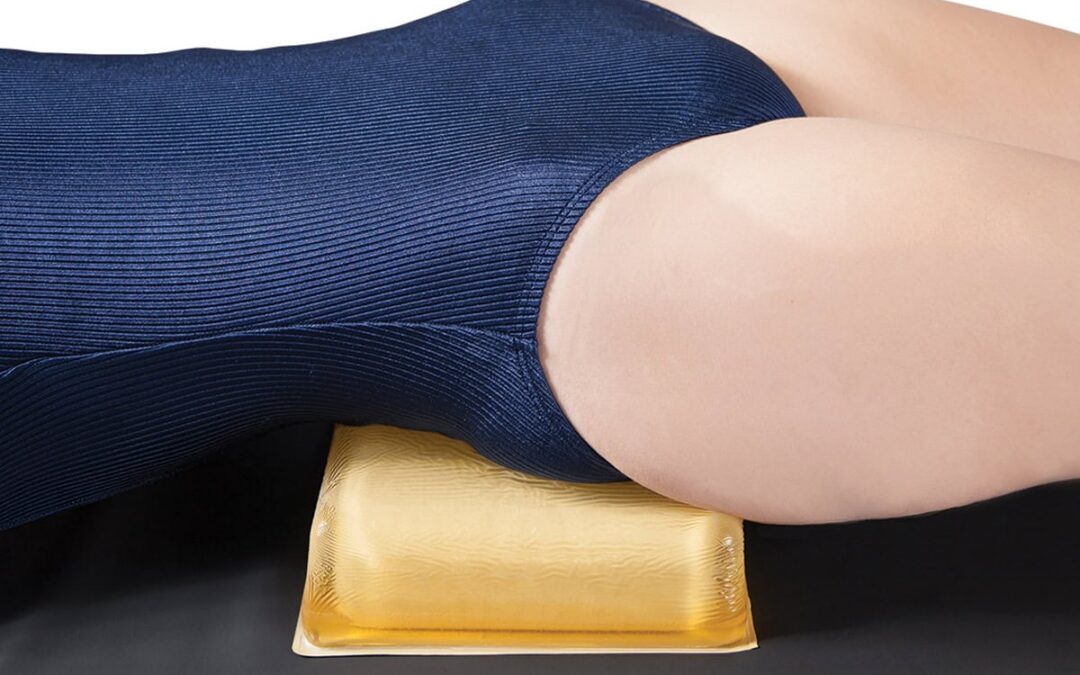
Anterior Total Hip Replacement: Patient Positioning & The Action® Orthopedic Hip Positioner
Pressure Redistribution and Stability in the Anterior approach to total Hip Replacement The Action® Orthopedic Hip Positioner for Anterior Total Hip Replacement (THR) is a specialized surgical aid designed to stabilize the pelvis and improve surgical site exposure....

Using towels or sheets over Polymer Patient Positioners
Pressure Injury Prevention Strategies: Using Towels or Sheets Over Patient Positioners In this blog we discuss the “hot topic” of using towels, or sheets in between the patient positioners and the patient. Does using towels or sheets over polymer increase the...
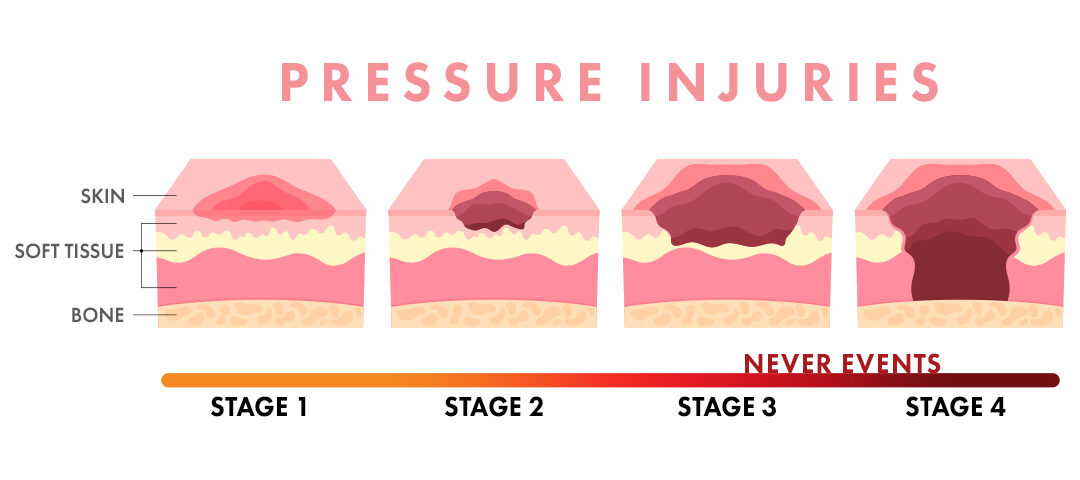
Pressure Injuries: Never Events – Part 1
Preventing Hospital-Acquired Pressure Injuries in 2026: Perioperative Strategies to Avoid CMS Never Events Hospital-Acquired Pressure Injuries (HAPIs) remain a costly and preventable harm. The Centers for Medicare & Medicaid Services (CMS) still classifies Stage...
1 Preventing Pressure Ulcers in Hospitals: A Toolkit for Improving Quality of Care.
Dan Berlowitz, M.D., M.P.H., Bedford VA Hospital and Boston University School of Public Health; Carol VanDeusen Lukas, Ed.D., VA Boston Healthcare System and Boston University School of Public Health; Victoria Parker, Ed.M., D.B.A., Andrea Niederhauser, M.P.H., Jason Silver, M.P.H., and Caroline Logan, M.P.H., Boston University School of Public Health; Elizabeth Ayello, Ph.D., RN, APRN, BC, CWOCN, FAPWCA, FAAN, Excelsior College School of Nursing, Albany, New York; and Karen Zulkowski, D.N.S., RN, CWS, Montana State University-Bozeman. https://www.ahrq.gov/sites/default/files/publications/files/putoolkit.pdf
2 AHRQ, Agency for Healthcare Research and Quality—Preventing Pressure Ulcers in Hospitals https://www.ahrq.gov/patient-safety/settings/hospital/resource/pressureulcer/tool/pu1.html
3 https://www.ncbi.nlm.nih.gov/pmc/articles/PMC3098129/
4 Byrne DW, Salzberg CA. Major risk factors for pressure ulcers in the spinal cord disabled: a literature review. Spinal Cord. 1996;34:255–263. [PubMed] [Google Scholar]