
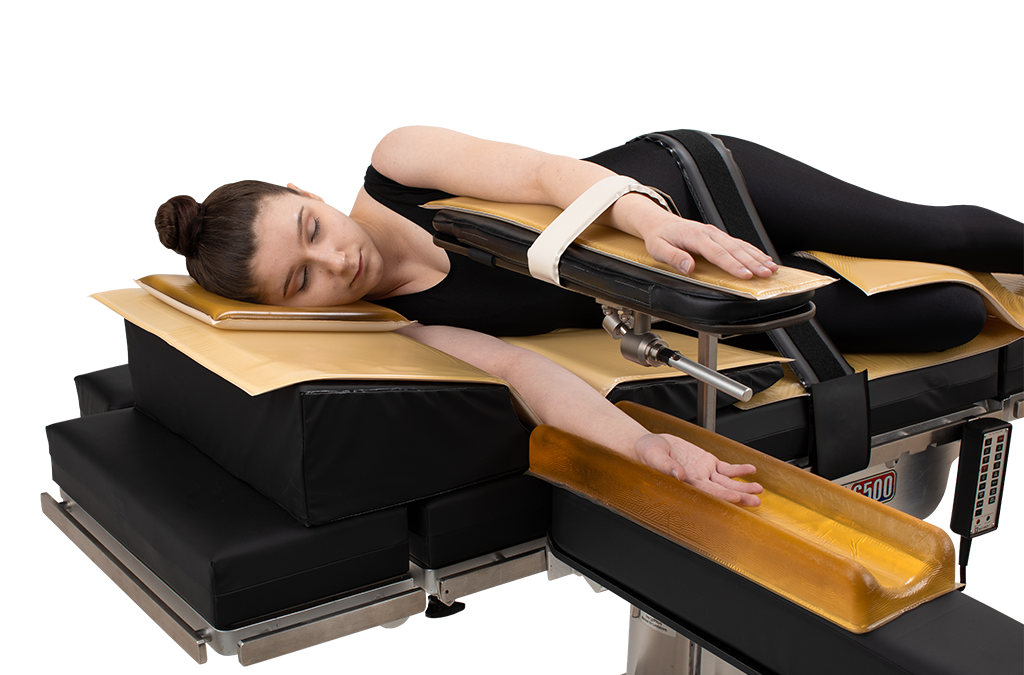
The lateral surgical position is one of the most labor-intensive surgical positions that depends on brute force and team strength. The lateral position is not only physically taxing on the staff, but also can be as hard on the patient; therefore, it is important to have an experienced clinical team member leading the way. The surgeries that rely on the lateral surgical position vary by specialty and include lateral hip, thoracotomy, spine surgery, or kidney surgery. Many times, the lateral position is preferred over prone when possible for obese patients because the bulk of the patients panniculus can be displaced off the abdomen. To help improve patient outcomes, this blog will discuss the risk and interventions that are involved with placing a patient in the lateral position.
Team Injuries
Let us begin by talking about the risks that the clinical team may encounter during the lateral positioning which starts with the lateral transfer. Lateral patient transfers (e.g., from a stretcher to an OR bed) pose a high risk for musculoskeletal injury to the team including lower back, shoulder, and neck injuries. Lateral transfers are the most frequent cause of back and shoulder injuries in the nursing profession. AORN’s safe patient handling and movement guideline talks about how in the perioperative setting, lateral transfers may be performed multiple times during a typical work shift and the frequent performance of this maneuver significantly increases the risk for a work-related injury. Factors contributing to the increased risk for a musculoskeletal injury are handling patients who are obese, uneven distribution of the patient’s weight, and awkward positions required when positioning patients.
Successful Patient Transfer and Positioning
The patient is slid to the edge of the OR table with a draw sheet and tipped into the lateral position in one motion to the nonoperative side. This step requires collaboration, communication, and many hands so that the workload can be distributed among the team.
Once the patient is in the side lying position the patient is lifted so that an axillary roll can be placed (AORN recommends using an axillary roll that is intended for that use), the head is aligned with the rest of the spine and the arms are secured, pillows placed between them. Pillows are placed between the knees with the bottom leg flexed and the top leg straight. For the team, a musculoskeletal injury is a concern. To decrease the risk, AORN recommends using a mechanical lift, and many hands, to position the patient laterally. Unlike any other surgical position, the patient starts out supine on the OR table and then is moved into the side lying position. The patient is then placed under anesthesia and intubated and that is when the team can go to work.
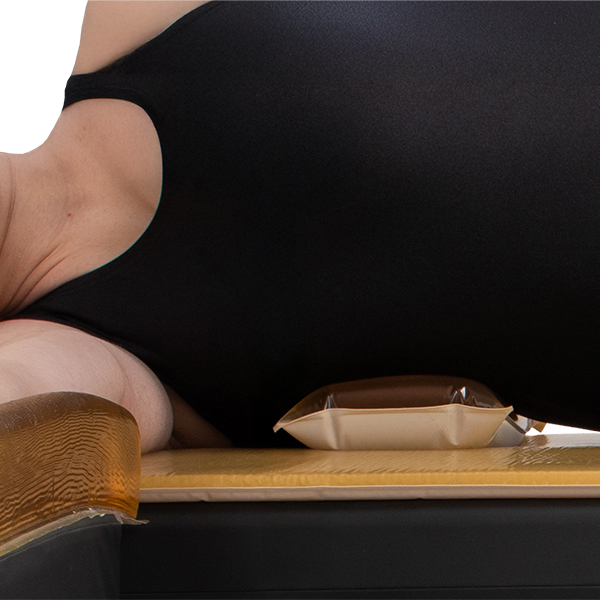
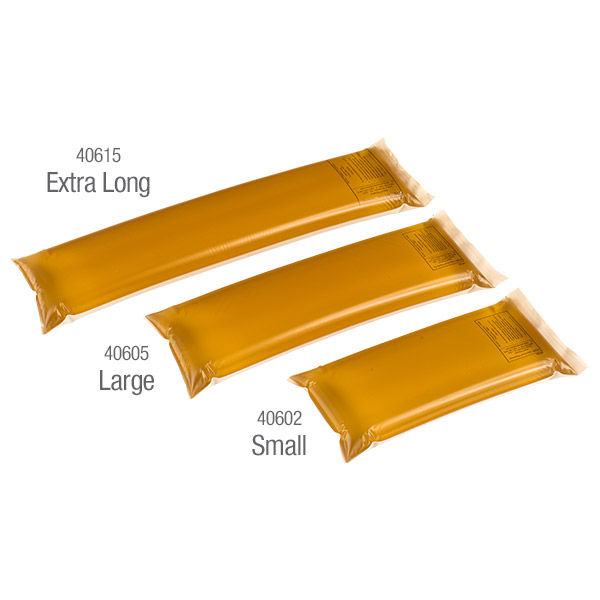
Action® Patient Positioner / Axillary Roll
Pressure Injury Risks
When a patient is in the lateral position there is a risk for skin injury because of the continuous pressure on the side laying boney prominences such as ears, acromion process, iliac crest, greater trochanter, lateral knee, and the malleolus (Fletcher 2014). A silicone dressing can be used on the pressure areas to decrease shear and pressure. Because of the muscle compression the lateral position inflicts, there is also a risk for compartment syndrome or rhabdomyolysis which is muscle breakdown causing the release of myoglobin into the bloodstream. Myoglobin is the protein that stores oxygen in your muscles. If you have too much myoglobin in your blood, it can cause kidney damage. There are several other risks to the patient that the prolonged lateral position places them in, vascular congestion for example, and even a fracture of an osteoporotic bone. The safest method to decrease these risks is to limit the time the patient is in the lateral position, although that is not always realistic. The team can plan to micro move or reposition the patient during strategic times to mitigate the risks. The time out is a great time to agree on an inter-procedural moving regime. We also cannot forget about the head, maintaining cervical and thoracic alignment, or forget about the arms as incorrect placement of the patient’s arms could cause stretching or compression injury.
Obtaining a great lateral position and maintaining team and patient safety is possible with a competent team that communicates effectively. If you would like to learn more about positioning the patient laterally please review the AORN guideline; Positioning the Patient.
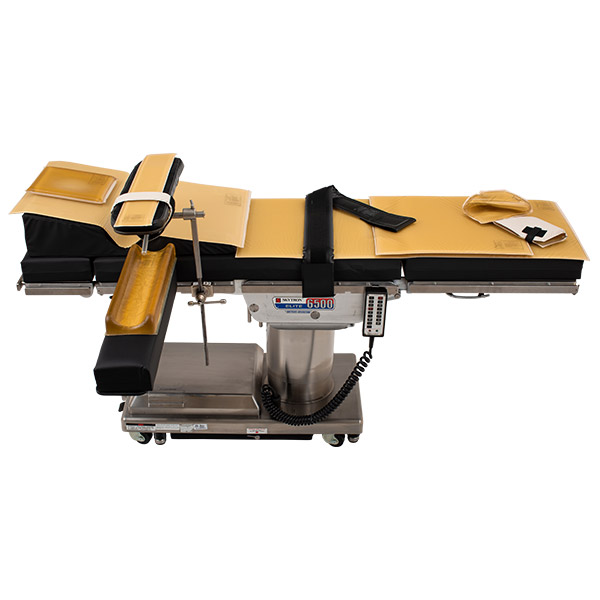
Action® Lateral Positioning Products for you O.R.
Our reusable products are engineered to help preserve skin integrity and sustain clinically necessary positions such as lateral.
Click here to view our Positioning Guides.
References
Fletcher HC. Preventing skin injury in the OR. OR Nurse. 2014;8(3):29–34. [VC]
B9001-000