For individuals with physical disabilities receiving care at home, preventing pressure injuries (also known as pressure ulcers or bedsores) is not just important, it’s critical to maintaining health, comfort, and independence.

As Susan Lipton Garber noted in the American Journal of Occupational Therapy, “Pressure sores are a major complication in the medical course of these individuals.” For home healthcare patients who use wheelchairs or spend extended time in one position, the risk of pressure injuries and skin breakdown is significantly higher. The right wheelchair cushions can play a major role in relieving pressure and reducing the risk of ulcers, helping patients stay safe and comfortable at home.


Reduce the Risk of Pressure Injuries

Today, pressure injury prevention strategies and positioning tools are more advanced than ever. As Susan Johnson Taylor highlights in Evaluating the Client with Physical Disabilities for Wheelchair Seating, proper positioning is a key requirement for safely and effectively using any mobility or technical aid. Since many daily activities are performed in a seated position, especially in a home environment, ensuring correct posture and support is more important than ever.


Action® brand Wheelchair Cushions

That’s why AKTON® Polymer, invented by Dr. W.R. McElroy, has been so transformative. Used in Action® brand wheelchair pads and cushions, this unique material doesn’t leak or “bottom out” like gel, making it a durable and body-friendly choice for pressure injury prevention strategies at home.

XACT Lite Wheelchair Cushion

Advanced Seating and Positioning Cushions

The Pilot 9000 wheelchair cushion

Comfort and Skin Protection Cushions

Advantages of AKTON Polymer

Excellent shear-reducing qualities
Soft, flexible film
Evenly distributes heat and pressure
Clinically proven to help prevent pressure injuries
Reusable & Cost Effective
Does not support bacterial growth
Hypoallergenic
Does not leak or flow
Easy to clean and maintain
Not made with natural rubber latex
Free of DEHP


Nurse pressing on Akton Polymer pad

The shear-reducing qualities of Action® products are enhanced by the combination of the soft, flexible outer film and the tissue equivalent polymer.


The World Health Organization emphasizes that properly fitted wheelchairs with postural support and cushioning can help prevent life-threatening complications for people with spinal cord injuries. In fact, they report that appropriate wheelchair seating can reduce dependence on caregivers by maximizing function and mobility. 


Action® TWISTER® Wheelchair Back

One example is the Action® Twister® Wheelchair Back Cushion from Action Products, designed to adjust to each user’s back for personalized support. This is especially important in home healthcare settings, where patients may rely heavily on their wheelchairs for both mobility and positioning. As the WHO points out, armrests should only be used temporarily for posture; proper back support keeps the user’s hands free for moving, reaching, and participating in daily life.

Twister Wheelchair back
Twister® Wheelchair Back


The Importance of Preventing Pressure Injuries at Home

Pressure injury prevention in the home isn’t optional, it’s essential. From wheelchair cushions to positioning aids, the right tools can protect skin integrity, reduce caregiver burden, and improve quality of life.

Whether you’re a home healthcare provider, a family caregiver, or a patient yourself, investing in effective solutions to prevent pressure injuries is an effective way to support long-term health and independence at home.


Check out our other Action® brand Products!
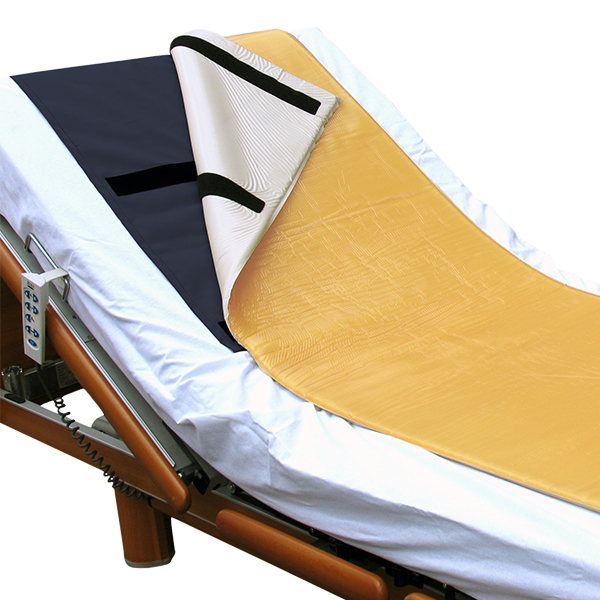
ACTION Home Medical Mattress Overlay

Mattress Overlays

Twister Wheelchair back

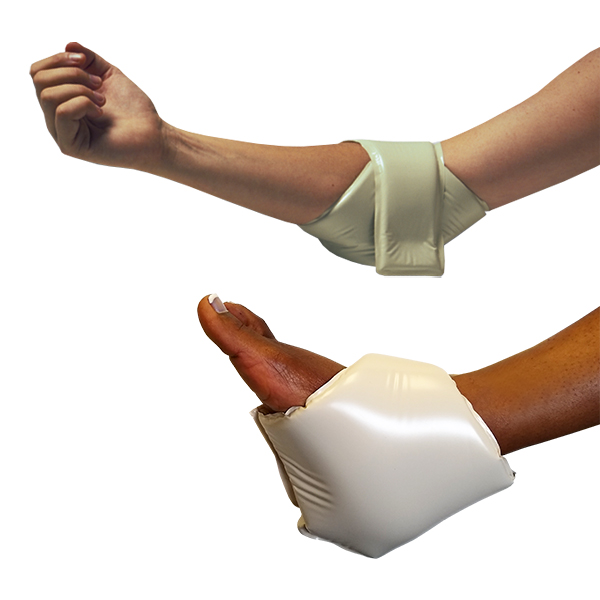
Heel and Elbow Protectors

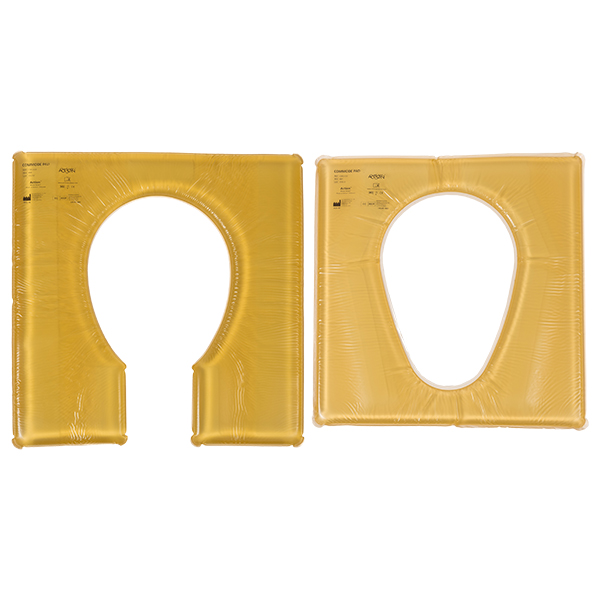
Commode Pads

Commode Chair Pads

Read More Action Product Blogs…

Pressure Injuries: Never Events – Part 1

Preventing Hospital-Acquired Pressure Injuries in 2026: Perioperative Strategies to Avoid CMS Never Events Hospital-Acquired Pressure Injuries (HAPIs) remain a costly and preventable harm. The Centers for Medicare & Medicaid Services (CMS) still classifies Stage...

Heel Pressure Injury Prevention with Evidence-Based Interventions!

Mitigate the risk of a heel pressure injury The supine position is the most common surgical position with the patient lying on their back with the head, neck and spine in a neutral position. This position is not without pressure injury risk as there is increased...

National Patient Safety Goals, Universal Protocol: Guideline for Perioperative Team Communication

Each year the Joint Commission, with input from practitioners, provider organizations, purchasers, consumer groups, and other stakeholders, determines high priority patient safety issues and creates National Patient Safety Goals (NPSG). NPSG were established in 2002...

November 20 is Pressure Injury Prevention Day!

The annual Worldwide Pressure Injury Prevention Day is November 20, 2025.  Don’t forget that perioperative pressure Injury prevention strategies decrease hospital acquired pressure injuries (HAPIs) in non-reimbursable CMS “never event” category. Awareness around...

Tips to Reduce Surgical Site Infections

Surgical site infections (SSI) are multifaceted, meaning that there are many intrinsic and extrinsic factors that contribute to them. Unfortunately, it is difficult to track down the source of infection because of all the factors in play. Is it the traffic in the OR...

Choosing the right-size Chest Roll

Chest Rolls for Prone Position: Assess Your Surgical Patient’s Needs Protecting your patient in the prone position requires assessing the patient’s needs for that surgery. In this blog we will talk about the correct positioning and different uses for the chest roll...

Pressure Injuries Can Affect Patients for a Lifetime

Hospital acquired pressure injuries (HAPI) can cause severe pain and even death to the patient. When HAPIs are discussed among healthcare managers, cost comes first to mind. However, there are other concerns healthcare workers should consider. First and foremost is...

Enhancing Patient Safety with Viscoelastic Gel Overlays in Surgical Positioning

Surgical nurses play a critical role in protecting patients from positioning-related pressure injuries during surgical  procedures. One of the most effective tools to support this mission is the viscoelastic gel overlay, a material designed to reduce pressure, enhance...

Take the Time for a “Time Out”

The “Time Out” The “time out” is one part of the Universal Protocol developed by the Joint Commission to prevent wrong-site, wrong-procedure, and wrong-person surgery. Each are considered never events by the National Quality Forum and sentinel events by the Joint...

Pressure Injuries in Ambulatory Surgical Centers

An ambulatory surgical center (ASC) is a healthcare facility that focuses on providing same-day surgical care that includes diagnostic and preventative surgery. When looking at the ASC, it has transformed the outpatient surgical experience for millions of Americans by...