Chest Rolls for Prone Position: Assess Your Surgical Patient’s Needs
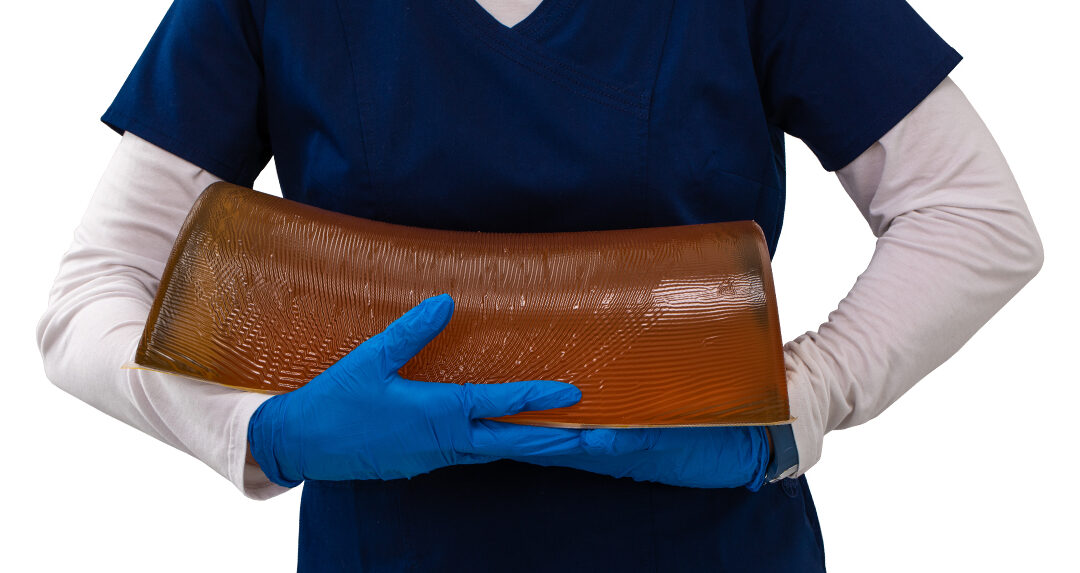
Protecting your patient in the prone position requires assessing the patient’s needs for that surgery. In this blog we will talk about the correct positioning and different uses for the chest roll positioner. The chest rolls for prone position can be used for posterior craniotomies, anal/rectal surgery, Achilles’ tendon, and liposuction of the flank and hips. It is specifically used to provide space for diaphragm and chest expansion and to decrease compression on abdominal cavity while in the prone position.
Think about your patient lying flat on the OR table surface in prone position, blood return from the inferior vena cava would be impaired between the compressed abdomen and the weight of the spine and back structures. This could also decrease cardiac output, venous stasis, and thrombotic complications. Chest rolls for prone position decreases these issues by letting the abdomen hang free, the chest rolls also raise the chest and permit the diaphragm to move more freely and the lungs to expand (Rothrock 2019 p.171).
Choose the Right-Size Gel Rolls for Surgery
Choosing the right-size chest roll for prone position should be based on both the size of the patient and type of surgery. It is important to place the patient on chest rolls that extend from the clavicle to the iliac crest and ensure that the breast, abdomen, and genitals are hanging loose and are free from pressure. Make sure that the breasts are diverted inward toward the midline to decrease pressure. The patient’s toes need to be off the OR bed and either a pad or pillow can be placed under the shins and knees while keeping the knees in a 5 to 10-degree flexion to do that. Keeping the knees flexed decreases the risk for hyperextension which can cause a venous thromboembolism.
One other positioning intervention for the patient on chest rolls is to place a pillow under the pelvis especially for the obese patient as this can further decrease abdominal pressure on the inferior vena cava. Make sure that the pillow is at the iliac crest to eliminate the risk of occluding the femoral artery. Last but not least, place the safety strap about 2” above the patient’s knees.
Do A Final Check
Before you prep the skin for surgery, a final check should be done to make sure that genitals and breast are hanging freely and that the patient’s arms are safely positioned and secure. By following these essential steps, you can ensure patient safety and stability when using chest roll for prone position. during surgery.
Protect Your Surgical Patients
Action Products sells a range of Action® Chest Rolls and other gel rolls for a wide range of patients.
From pediatrics to larger patients, Action Products has your patient positioning needs covered.
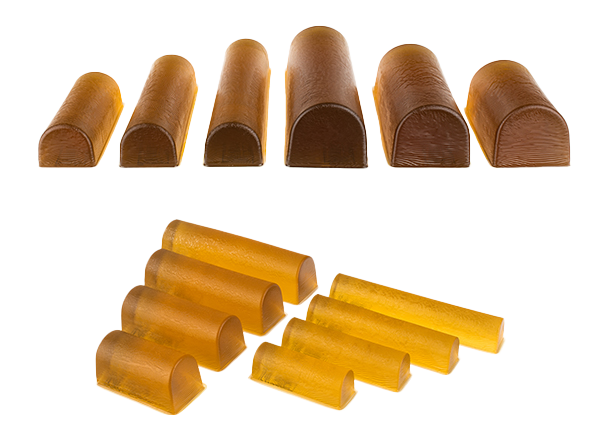
and Action® Pediatric Chest Rolls
How our proprietary Akton® polymer reduces the risk of pressure injuries
The ultrasoft polymer combined with the soft, flexible surface of our pads allows the product to move with the patient, reducing negative effects of shear on fragile skin. In addition, the Akton® polymer distributes weight and dissipates heat; reducing the risk of high-pressure points and hot spot development that can lead to pressure injuries. These combined benefits enhance patient protection.
Product Care:
Resources
Rothrock, J. C. (2019) Alexander’s Care of the Patient in Surgery (16th ed.). Elsevier. ( P 170-171)
B9035-001