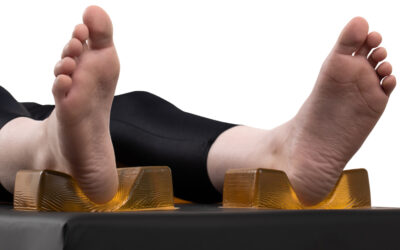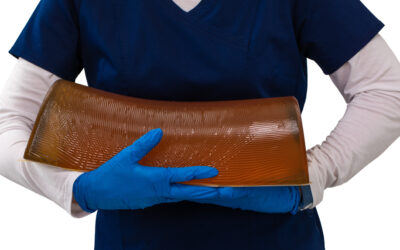
Chest Rolls for Prone Position: Assess Your Surgical Patient’s Needs Protecting your patient in the prone position requires assessing the patient’s needs for that surgery. In this blog we will talk about the correct positioning and different uses for the chest roll...
Surgical Patient Safety
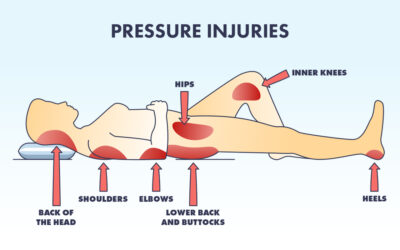
Pressure Injuries Can Affect Patients for a Lifetime
Hospital acquired pressure injuries (HAPI) can cause severe pain and even death to the patient. When HAPIs are discussed among healthcare managers, cost comes first to mind. However, there are other concerns healthcare workers should consider. First and foremost is...
Enhancing Patient Safety with Viscoelastic Gel Overlays in Surgical Positioning
Surgical nurses play a critical role in protecting patients from positioning-related pressure injuries during surgical procedures. One of the most effective tools to support this mission is the viscoelastic gel overlay, a material designed to reduce pressure, enhance...
Pressure Injuries in Ambulatory Surgical Centers
An ambulatory surgical center (ASC) is a healthcare facility that focuses on providing same-day surgical care that includes diagnostic and preventative surgery. When looking at the ASC, it has transformed the outpatient surgical experience for millions of Americans by...
Gel Overlays: A Head-to-Toe Tool in the Prevention of Perioperative Pressure Injuries
Amos Schonrock, MAN, RN, ST, PHN, CSSM, CNAMB, CNOR, NE-BCPerioperative Practice and Safety SpecialistAs perioperative professionals, the operating room team has a constant dedication and calling to the creation and maintenance of an environment that keeps our patient...
Perioperative Nutritional Optimization to Prevent Pressure Injuries
More than 50% of older surgical patients are thought to have malnutrition that is associated with increased postoperative complications, prolonged length of hospitalization and increased health care cost.The surgical patient is at a nutrition and fluid disadvantage...
Take the Time for a “Time Out”
The “Time Out” The “time out” is one part of the Universal Protocol developed by the Joint Commission to prevent wrong-site, wrong-procedure, and wrong-person surgery. Each are considered never events by the National Quality Forum and sentinel events by the Joint...
Safe Lateral Position for Improved Team and Patient Outcomes
The lateral surgical position is one of the most labor-intensive surgical positions that depends on brute force and team strength. The lateral position is not only physically taxing on the staff, but also can be as hard on the patient; therefore, it is important to...
Tips for Nurses that Help Say Goodbye to Burnout
In the last blog we talked about compassion fatigue which is the emotional residue or strain of exposure to working with those suffering from the consequences of traumatic events. It differs slightly from burnout but can co-exist. Compassion Fatigue can occur due to...
National Patient Safety Goals, Universal Protocol: Guideline for Perioperative Team Communication
Each year the Joint Commission, with input from practitioners, provider organizations, purchasers, consumer groups, and other stakeholders, determines high priority patient safety issues and creates National Patient Safety Goals (NPSG). NPSG were established in 2002...