
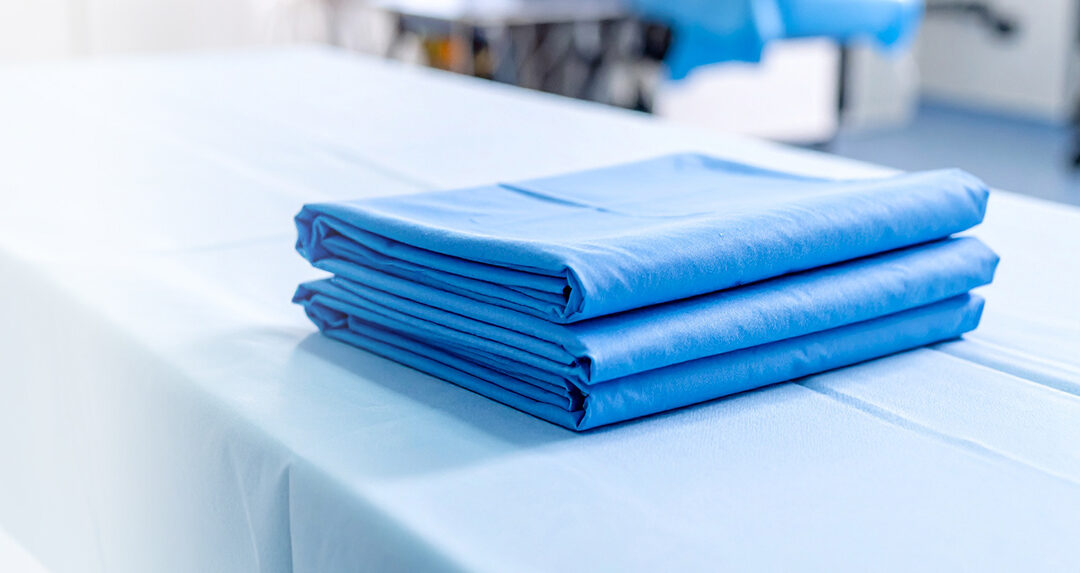
Pressure Injury Prevention Strategies: Using Towels or Sheets Over Patient Positioners
In this blog we discuss the “hot topic” of using towels, or sheets in between the patient positioners and the patient.
Does using towels or sheets over polymer increase the risk of pressure injuries?
Using towels or sheets decreases the effectiveness of the viscoelastic polymer properties and may increase the risk for pressure injuries. The 2025 AORN guidelines for pressure injury prevention 5.3 recommends to position patient on surfaces that are smooth and wrinkle-free. It also states to not use towels, sheets, or blankets as positioning devices. 5.4 states: “Bed linen and other layers of material may be needed for patient comfort and to manage moisture or drainage. However, placing blankets or other materials between the support surface and the patient reduces the pressure-redistributing effect of the support surface.”
In the “Who Gives a Sheet About Linen Optimization?” webinar, it was stated that evidence shows layers of linens can prevent airflow from reaching the skin. In most cases, these layers can also trap heat and moisture, unintentionally doing more harm than good.
What evidence is cited in the 2025 NPIAP, EPUAP and PPPIA Clinical Practice Guideline regarding linens and low-friction textiles?
When linens or textile products are used at the patient–support surface interface, the 2025 NPIAP, EPUAP and PPPIA guideline notes that the supporting evidence is drawn largely from research on low-friction (silk-like) textiles, with much of the available evidence characterized as lower-level. Across these studies, low-friction fabrics have been associated with reduced friction and shear at the skin interface, less skin irritation, and faster moisture dispersal/drying compared with standard cotton or cotton-blend materials.
The guideline also provides clear implementation points to avoid undermining support surface performance and to reduce interface risk:
- Ensure any devices or linens placed between the patient and the support surface do not interfere with the support surface’s function.
- Apply linens smoothly and without wrinkles.
- Avoid multiple linen layers, which can increase microclimate burden and alter pressure redistribution.
Why consider eliminating sheets and towels in your patient positioning workflow?
Often the lack of evidence-based knowledge will lead the Care teams to place unnecessary sheets or towels over positioning devices. When possible, consider eliminating sheets and towels in your positioning workflow. This allows full use of the viscoelastic polymer’s pressure-redistribution properties and helps protect against shear and friction forces.
When placing patients directly on the support surface or patient positioner, following the manufacturer’s cleaning and disinfecting instructions is important.
Failure to properly clean products may result in:
- Risk of infection
- Chemical changes to the material that could alter functionality and performance
- Chemical residues that could cause skin irritation or sensitization
Always refer to the Action® O.R. Support Surfaces and Patient Positioners IFU (Instructions for Use) for cleaning and disinfecting your Action® Support Surfaces and Patient Positioners.
Proper care and maintenance helps retain the integrity of the Akton® polymer and prevents skin sensitization from chemical residues.
Prevention of positioning injuries is a key responsibility of the surgical team. It is important for this team to identify risks so proper safety precautions can be implemented. When evaluating positioning and pressure injury (PI) risk, shear and friction are extrinsic factors that can be addressed. These risks may be mitigated by using viscoelastic polymer gel accessories.
Including gel medical positioning devices in your evidence-based practices, decreases perioperative pressure injuries and positioning injury risk. When looking at the latest research, one study showed that the use of viscoelastic polymer gel during procedures lasting 90 minutes or longer decreased the incidence of pressure injuries by 51%.
Recommendations for positioning with gel products include:
1. Using gel axillary rolls instead of rolled blankets, as blankets can cause excess pressure.
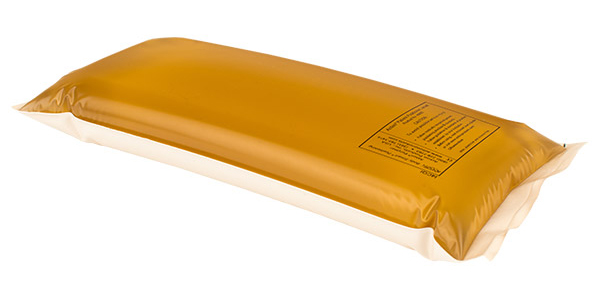
Action® Patient Positioner
2. Offloading the heels using gel positioning devices to keep the heels off the surface.
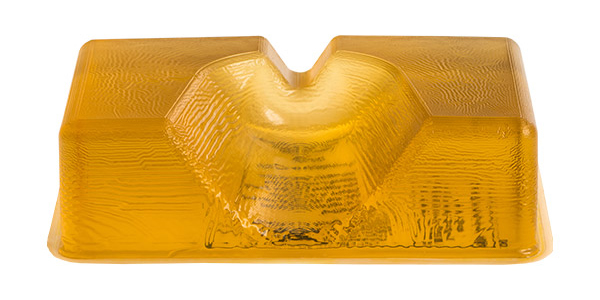
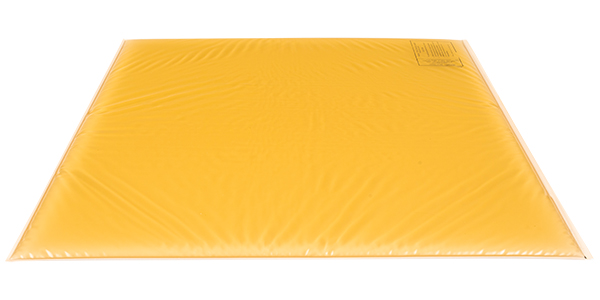
What products help to reduce the risk of pressure injuries?
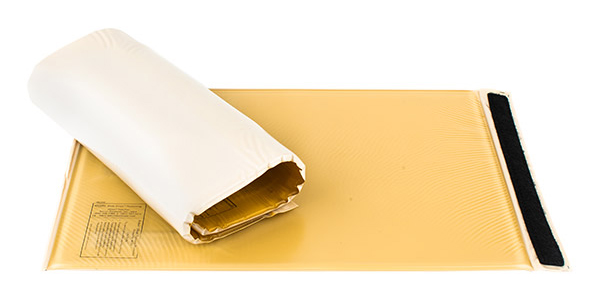
The Akton® viscoelastic polymer gel patient positioners are manufactured with patient safety in mind. Extrinsic risk factors like shear/friction and pressure can be mitigated by using the Action® Overlays, pads and patient positioners.
Resources
AORN Guideline for Prevention of Perioperative Pressure Injury
AORN Guideline for Positioning the Patient
NPIAP, EPUAP and PPPIA. Clinical Practice Guideline: Full Body Support Surfaces (pressure injury prevention). February 25, 2025
Pham, Ba’, Laura Teague, James Mahoney, et al. “Support Surfaces for Intraoperative Prevention of Pressure Ulcers in Patients Undergoing Surgery: A Cost-Effectiveness Analysis.” Surgery 150, no. 1 (2011): 122–32.
https://www.surgjournal.com/article/S0039-6060(11)00142-5/abstract
B9033-000