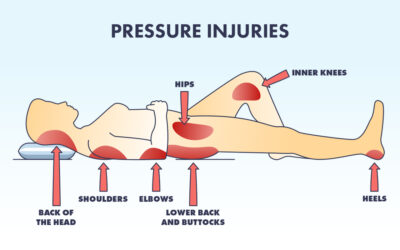
Hospital acquired pressure injuries (HAPI) can cause severe pain and even death to the patient. When HAPIs are discussed among healthcare managers, cost comes first to mind. However, there are other concerns healthcare workers should consider. First and foremost is...
Surgical Patient Safety
Enhancing Patient Safety with Viscoelastic Gel Overlays in Surgical Positioning
Surgical nurses play a critical role in protecting patients from positioning-related pressure injuries during surgical procedures. One of the most effective tools to support this mission is the viscoelastic gel overlay, a material designed to reduce pressure, enhance...
Pressure Injuries in Ambulatory Surgical Centers
An ambulatory surgical center (ASC) is a healthcare facility that focuses on providing same-day surgical care that includes diagnostic and preventative surgery. When looking at the ASC, it has transformed the outpatient surgical experience for millions of Americans by...
Gel Overlays: A Head-to-Toe Tool in the Prevention of Perioperative Pressure Injuries
Amos Schonrock, MAN, RN, ST, PHN, CSSM, CNAMB, CNOR, NE-BCPerioperative Practice and Safety SpecialistAs perioperative professionals, the operating room team has a constant dedication and calling to the creation and maintenance of an environment that keeps our patient...
Reducing Hypothermia in the OR
Our first two posts for July have focused on the importance of preventing an unhealthy RISE in Home Healthcare patients’ body temperature, preventing heat stroke, muscle cramps, and pressure injuries. Our third blog focuses on the hospital O.R. setting, where the...
New Detection Technology For Deep Tissue Injuries – A Case Study
Given our commitment to the prevention of pressure injuries, at Action Products we took note of an important case study from the Rehabilitation Hospital of Indiana (as reported in Wound Care Advisor.) The case study, authored by Todd Zortman, RN, WCC, and James Malec,...
Perioperative Nutritional Optimization to Prevent Pressure Injuries
More than 50% of older surgical patients are thought to have malnutrition that is associated with increased postoperative complications, prolonged length of hospitalization and increased health care cost.The surgical patient is at a nutrition and fluid disadvantage...
Take the Time for a “Time Out”
The “Time Out” The “time out” is one part of the Universal Protocol developed by the Joint Commission to prevent wrong-site, wrong-procedure, and wrong-person surgery. Each are considered never events by the National Quality Forum and sentinel events by the Joint...
Safe Lateral Position for Improved Team and Patient Outcomes
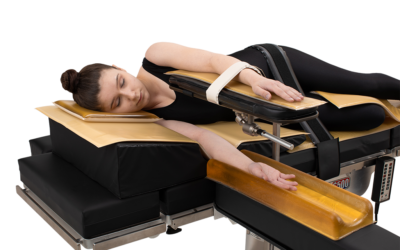
The lateral surgical position is one of the most labor-intensive surgical positions that depends on brute force and team strength. The lateral position is not only physically taxing on the staff, but also can be as hard on the patient; therefore, it is important to...
Nurses – Take Action Against Bullying & Workplace Violence! Important Resources
This is the final installment of a three-part series that we created to provide nurses with the resources they need to educate and better prepare themselves to deal with bullying and violence in the workplace.“While the American Nurses Association provides vital...