Warmest wishes for the Holidays! Action Products will be closed 12/24, 12/25 & 12/26 and 12/31, 1/1 & 1/2.

Chest Rolls for Prone Position: Assess Your Surgical Patient’s Needs

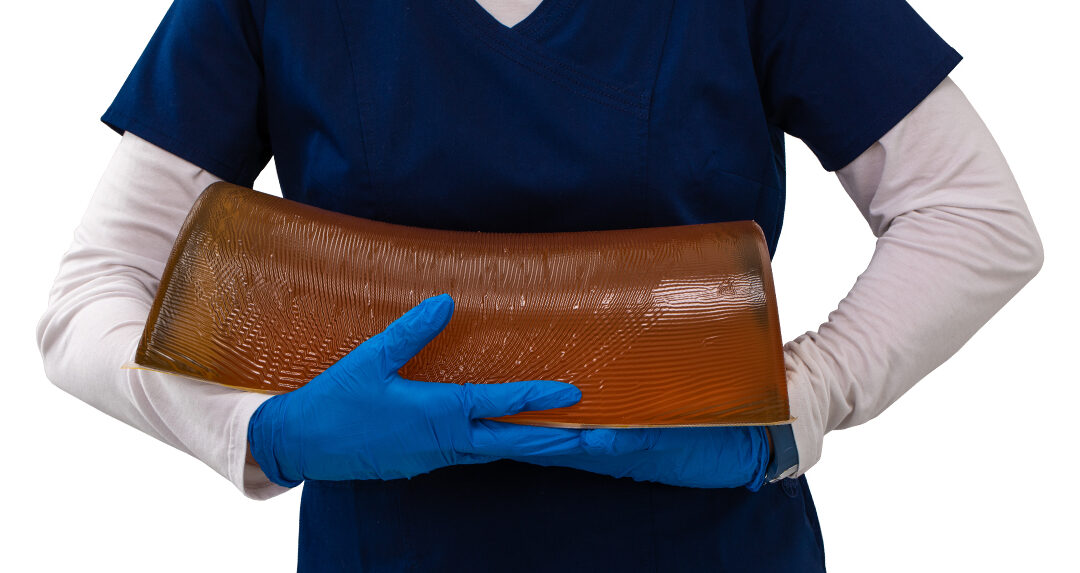
Protecting your patient in the prone position requires assessing the patient’s needs for that surgery. In this blog we will talk about the correct positioning and different uses for the chest roll positioner. The chest rolls for prone position can be used for posterior craniotomies, anal/rectal surgery, Achilles’ tendon, and liposuction of the flank and hips. It is specifically used to provide space for diaphragm and chest expansion and to decrease compression on abdominal cavity while in the prone position.

Think about your patient lying flat on the OR table surface in prone position, blood return from the inferior vena cava would be impaired between the compressed abdomen and the weight of the spine and back structures. This could also decrease cardiac output, venous stasis, and thrombotic complications. Chest rolls for prone position decreases these issues by letting the abdomen hang free, the chest rolls also raise the chest and permit the diaphragm to move more freely and the lungs to expand (Rothrock 2019 p.171).

Choose the Right-Size Gel Rolls for Surgery

Choosing the right-size chest roll for prone position should be based on both the size of the patient and type of surgery. It is important to place the patient on chest rolls that extend from the clavicle to the iliac crest and ensure that the breast, abdomen, and genitals are hanging loose and are free from pressure. Make sure that the breasts are diverted inward toward the midline to decrease pressure. The patient’s toes need to be off the OR bed and either a pad or pillow can be placed under the shins and knees while keeping the knees in a 5 to 10-degree flexion to do that. Keeping the knees flexed decreases the risk for hyperextension which can cause a venous thromboembolism.

One other positioning intervention for the patient on chest rolls is to place a pillow under the pelvis especially for the obese patient as this can further decrease abdominal pressure on the inferior vena cava. Make sure that the pillow is at the iliac crest to eliminate the risk of occluding the femoral artery. Last but not least, place the safety strap about 2” above the patient’s knees.


Z

Do A Final Check

Before you prep the skin for surgery, a final check should be done to make sure that genitals and breast are hanging freely and that the patient’s arms are safely positioned and secure. By following these essential steps, you can ensure patient safety and stability when using chest roll for prone position. during surgery.


Protect Your Surgical Patients

Action Products sells a range of Action® Chest Rolls and other gel rolls for a wide range of patients.

From pediatrics to larger patients, Action Products has your patient positioning needs covered.
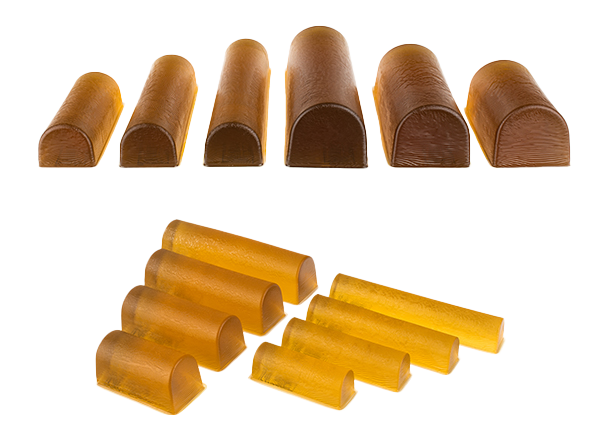
chest rolls that come in adult and pediatric sizes
Action® Adult Chest Rolls
and Action® Pediatric Chest Rolls

How our proprietary Akton® polymer reduces the risk of pressure injuries

The ultrasoft polymer combined with the soft, flexible surface of our pads allows the product to move with the patient, reducing negative effects of shear on fragile skin. In addition, the Akton® polymer distributes weight and dissipates heat; reducing the risk of high-pressure points and hot spot development that can lead to pressure injuries. These combined benefits enhance patient protection.

Product Care:

IFU-Care and Use Guide PDF
Disposable Chest Roll Covers PDF

Resources

Rothrock, J. C. (2019) Alexander’s Care of the Patient in Surgery (16th ed.). Elsevier. ( P 170-171)


B9035-001

 

Read More Action Product Blogs…

National Patient Safety Goals, Universal Protocol: Guideline for Perioperative Team Communication

Each year the Joint Commission, with input from practitioners, provider organizations, purchasers, consumer groups, and other stakeholders, determines high priority patient safety issues and creates National Patient Safety Goals (NPSG). NPSG were established in 2002...

November 20 is Pressure Injury Prevention Day!

The annual Worldwide Pressure Injury Prevention Day is November 20, 2025.  Don’t forget that perioperative pressure Injury prevention strategies decrease hospital acquired pressure injuries (HAPIs) in non-reimbursable CMS “never event” category. Awareness around...

Preventing Pressure Injuries Is Essential in Home Healthcare

For individuals with physical disabilities receiving care at home, preventing pressure injuries (also known as pressure ulcers or bedsores) is not just important, it’s critical to maintaining health, comfort, and independence. As Susan Lipton Garber noted in the...

Tips to Reduce Surgical Site Infections

Surgical site infections (SSI) are multifaceted, meaning that there are many intrinsic and extrinsic factors that contribute to them. Unfortunately, it is difficult to track down the source of infection because of all the factors in play. Is it the traffic in the OR...

Pressure Injuries Can Affect Patients for a Lifetime

Hospital acquired pressure injuries (HAPI) can cause severe pain and even death to the patient. When HAPIs are discussed among healthcare managers, cost comes first to mind. However, there are other concerns healthcare workers should consider. First and foremost is...

Enhancing Patient Safety with Viscoelastic Gel Overlays in Surgical Positioning

Surgical nurses play a critical role in protecting patients from positioning-related pressure injuries during surgical  procedures. One of the most effective tools to support this mission is the viscoelastic gel overlay, a material designed to reduce pressure, enhance...

Take the Time for a “Time Out”

The “Time Out” The “time out” is one part of the Universal Protocol developed by the Joint Commission to prevent wrong-site, wrong-procedure, and wrong-person surgery. Each are considered never events by the National Quality Forum and sentinel events by the Joint...

Pressure Injuries in Ambulatory Surgical Centers

An ambulatory surgical center (ASC) is a healthcare facility that focuses on providing same-day surgical care that includes diagnostic and preventative surgery. When looking at the ASC, it has transformed the outpatient surgical experience for millions of Americans by...

Gel Overlays: A Head-to-Toe Tool in the Prevention of Perioperative Pressure Injuries

Amos Schonrock, MAN, RN, ST, PHN, CSSM, CNAMB, CNOR, NE-BCPerioperative Practice and Safety SpecialistAs perioperative professionals, the operating room team has a constant dedication and calling to the creation and maintenance of an environment that keeps our patient...

Supine Positioning: Enhanced Approaches to a Common Surgical Routine

Amos Schonrock, MAN, RN, ST, PHN, CSSM, CNAMB, CNOR, NE-BCPerioperative Practice and Safety SpecialistOne of the highly common surgical positions is supine. This approach involves the surgical team’s watchful eyes to oversee a patient that will lie on their back with...